What is Data Leakage Prevention
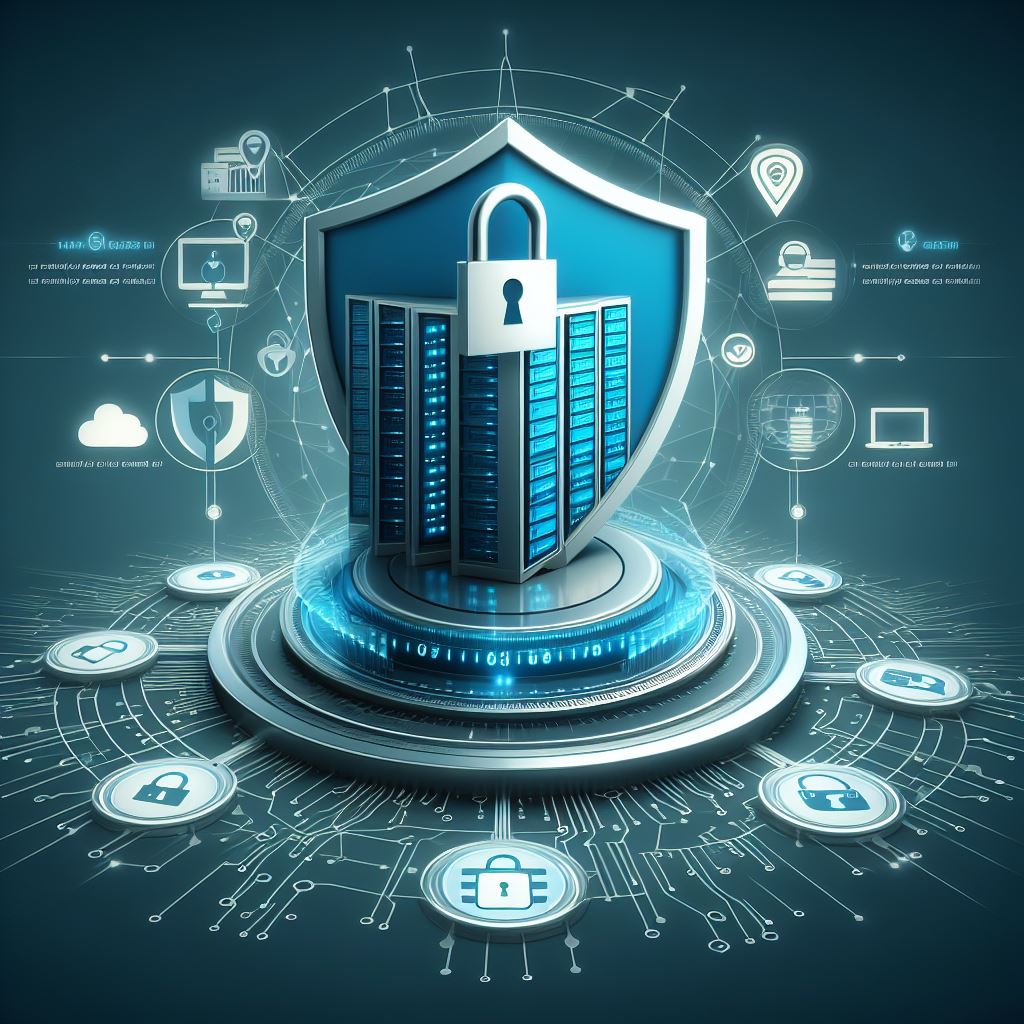

To detect and Prevent the unauthorized transmission of
information from the computer systems of an oragnization to outsiders.
Data Leakage Prevention
(DLP) is a set of strategies, tools, and practices designed to prevent the unauthorized disclosure or
transfer of sensitive data outside an organization's network or systems. The primary goal of DLP is to
protect sensitive information, such as intellectual property, financial data, personal identifiable
information (PII), or confidential business data, from being accessed, shared, or leaked to unauthorized
individuals or entities
What types of sensitive data usually get leaked?
The four most common types of sensitive data that can leak from an organization and lead to severe financial and reputational risks are:
- Personally identifiable information (PII), including employee or customer names, email, postal address, SSN, passport number, driver’s license, social media account, etc., as per GDPR
- Patient’s protected health information (PHI) as per HIPAA
- Customers’ payment card data with contractors as per PCI-DSS
- Sensitive business documents with “confidential” or other types of sensitive data, including trade secrets, intellectual property (IP), etc.
So what happens when data is leaked?
When sensitive data gets leaked, your business and that of your clients can suffer severe financial, reputation and legal risks, including:
- Litigation liabilities resulting from your clients’ data leakage or that of your own Businesses
- Embarrassing headlines that can lead to loss of customers, partners and revenue
- Regulatory fines due to leakage of protected data subject to regulations such as GDPR, CCPA, HIPPA and PCI-DSS
Causes of Data Leaks
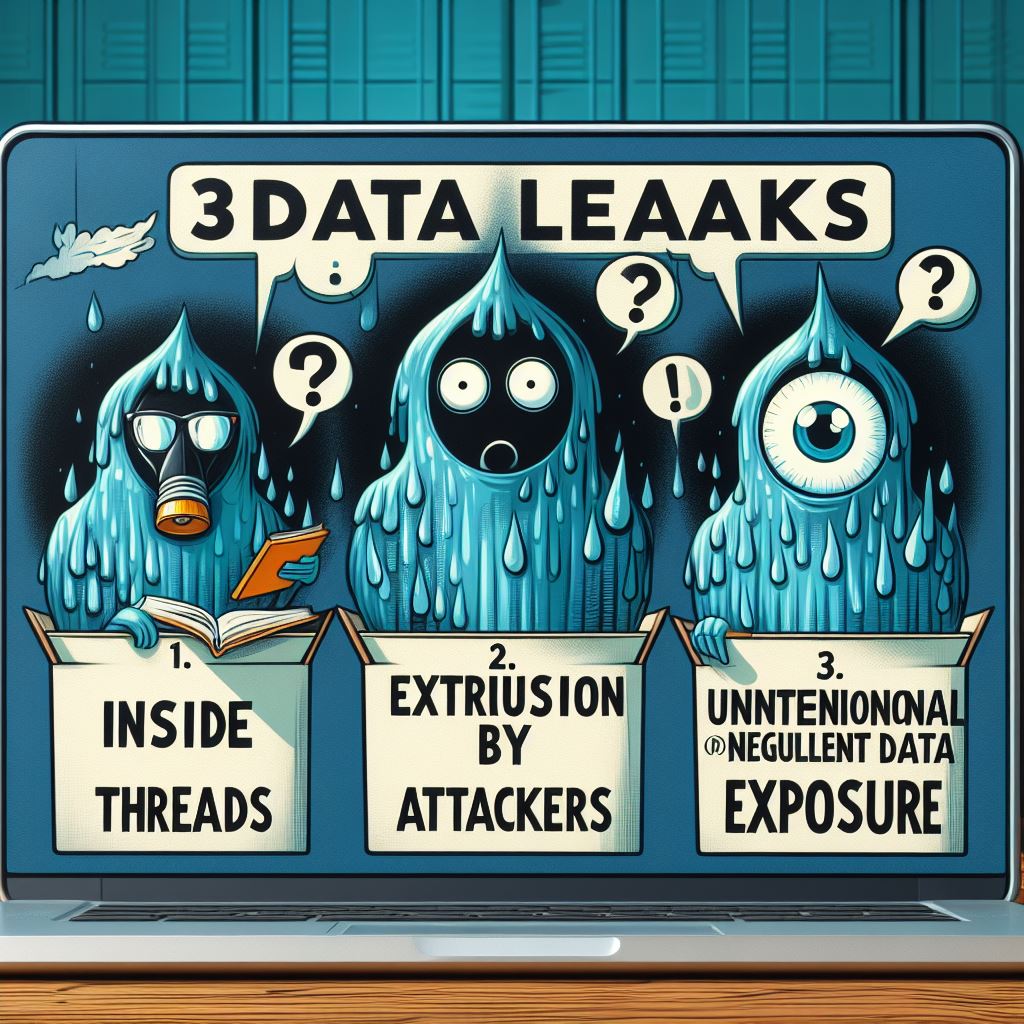
Three common causes of data leaks are:
- Insider Threats :- A malicious insider, or an attacker who has compromised a privileged user account, abuses their permissions and attempts to move data outside the organization.
- Extrusion by attackers :-Many cyber attacks have sensitive data as their target. Attackers penetrate the security perimeter using techniques like phishing, malware or code injection, and gain access to sensitive data.
- Unintentional or negligent data exposure :-Many data leaks occur as a result of employees who lose sensitive data in public, provide open Internet access to data, or fail to restrict access per organizational policies.
Components of a Data Loss Solution
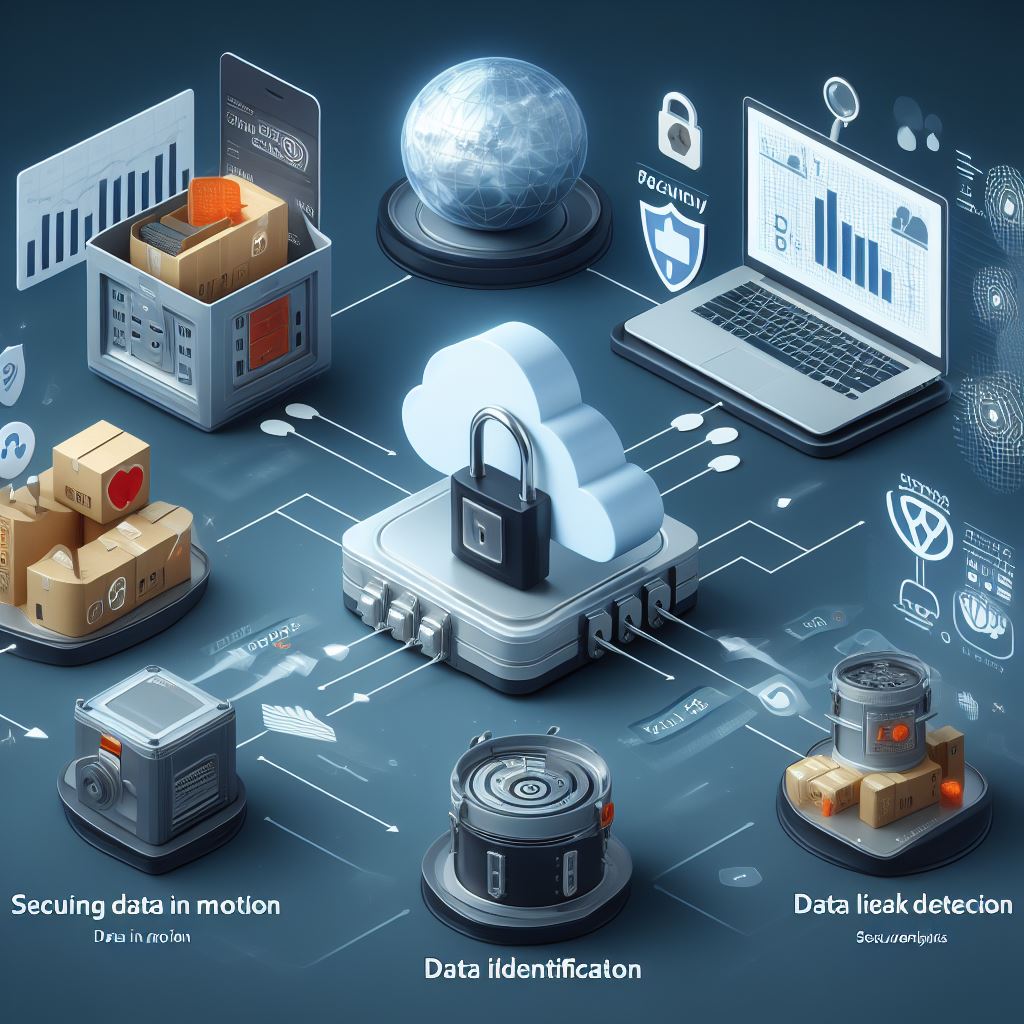
- Securing data in motion —technology installed at the network edge can analyze traffic to detect sensitive data sent in violation of security policies.
- Securing endpoints —endpoint-based agents can control information transfer between users, groups of users, and external parties. Some endpoint-based systems can block attempted communications in real time and provide user feedback.
- Securing data at rest —access control, encryption and data retention policies can protect archived organizational data.
- Securing data in use —some DLP systems can monitor and flag unauthorized activities that users may intentionally or unintentionally perform in their interactions with data.
- Data identification —it is crucial to determine if data needs to be protected or not. Data can be defined as sensitive either done manually by applying rules and metadata, or automatically via techniques like machine learning.
- Data leak detection —DLP solutions and other security systems like IDS, IPS, and SIEM, identify data transfers that are anomalous or suspicious. These solutions also alert security staff of a possible data leak.
DLP Solutions and File Security Solutions

File Security Solutions, such as Imperva File Firewall, are an
important part of a DLP strategy. Such solutions safeguard data at rest and data in use, and detect leaks of
file-based data.
Imperva File Firewall helps prevent data leaks by:
- Monitoring access to all sensitive files and recording granular usage data such as user, department, file accessed, file type and operation response time.
- Alerting on, and automatically blocking, file actions that violate security policies.
- Detecting abnormal or suspicious user behavior using machine learning, to detect insider threats
- Mitigating Ransomware attacks by detecting and blocking typical file access patterns.
- Auditing and reporting on all file operations for compliance and investigation purposes.
Conclusion
In conclusion, Data Leakage Prevention (DLP) is a crucial aspect of cybersecurity aimed at safeguarding sensitive data from unauthorized access, sharing, or leakage. By implementing DLP strategies, organizations can mitigate the risk of data breaches, protect intellectual property, maintain compliance with regulatory requirements, and uphold their reputation and trustworthiness. DLP solutions encompass a range of technologies, including content discovery, policy enforcement, data monitoring, endpoint protection, and encryption. A comprehensive DLP strategy requires a multi-layered approach that combines technology, policies, user education, and incident response procedures to effectively prevent data leakage and maintain data security.